Chemical-resistant flooring at a chemical plant in Barcelona

Slabs and plinths restored in the caustic soda area

Rehabilitation of concrete slabs and plinths attacked by caustic soda at a chemical plant in Barcelona: removal of damaged concrete, substrate repair and chemical-resistant flooring.

Provincia de Barcelona · Barcelona· 2022
Assess a similar project
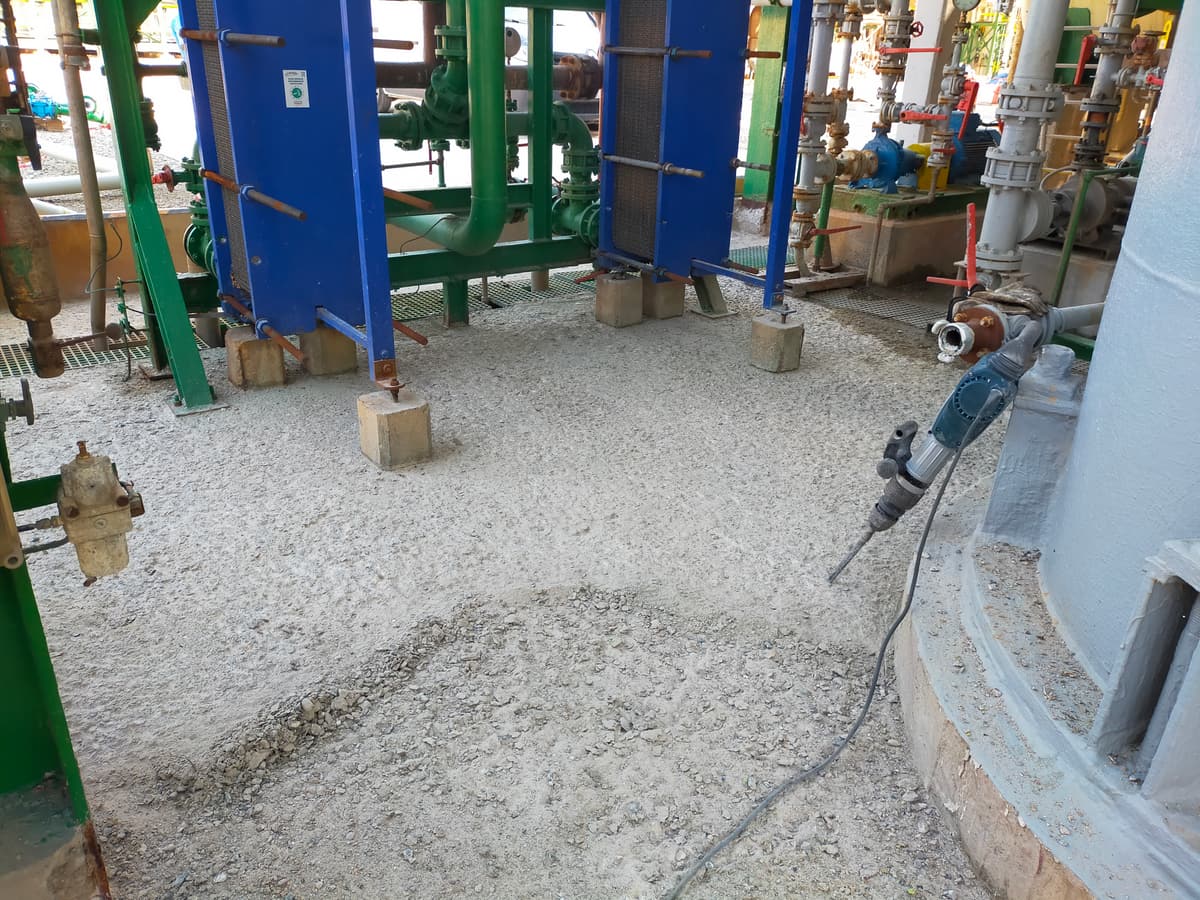
Concrete slab degraded by chemical attack between equipment at a chemical plant
Slab condition between equipment before the works, with aggregate exposed by chemical attack.
Project data

Technical sheet

Instalación
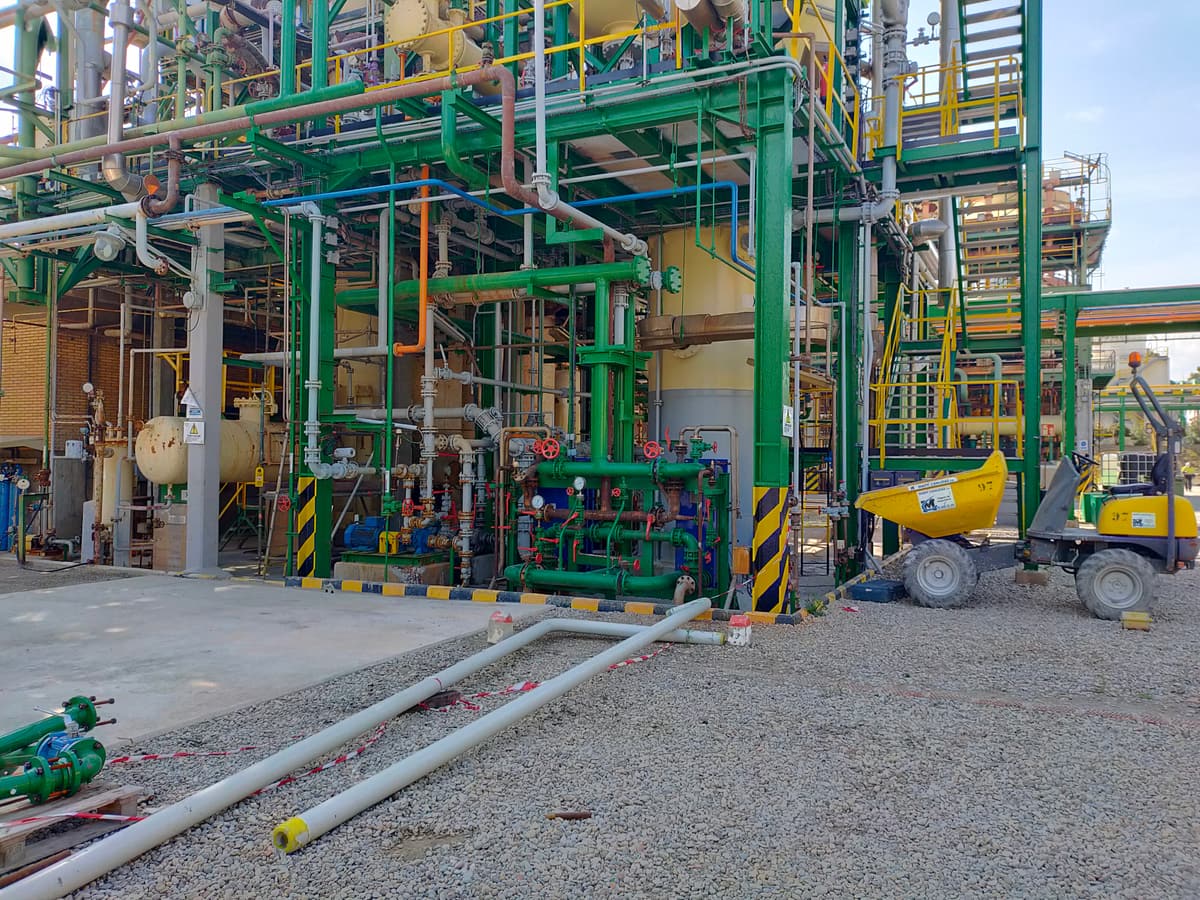
Operating chemical plant, caustic soda area
Daños
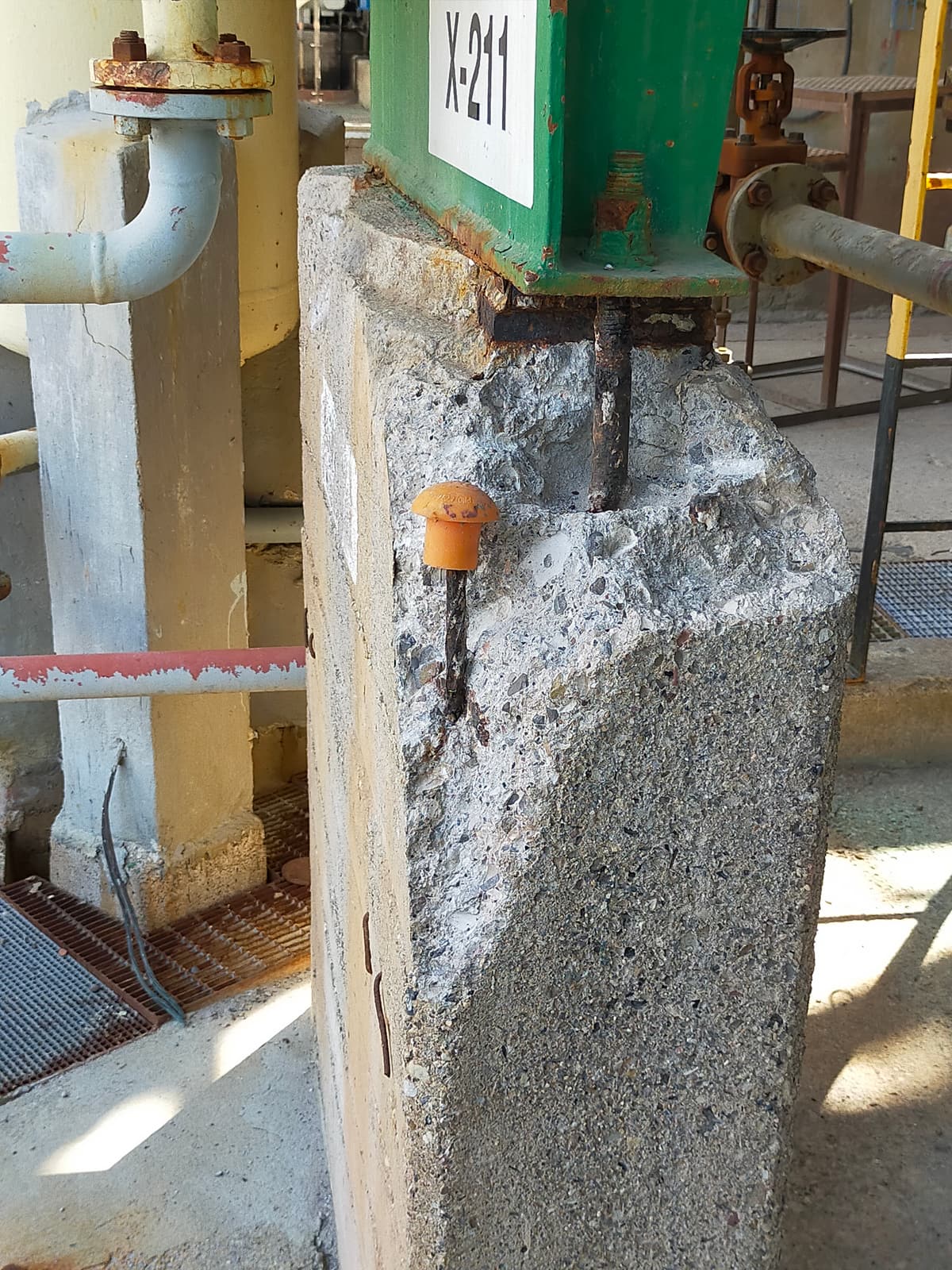
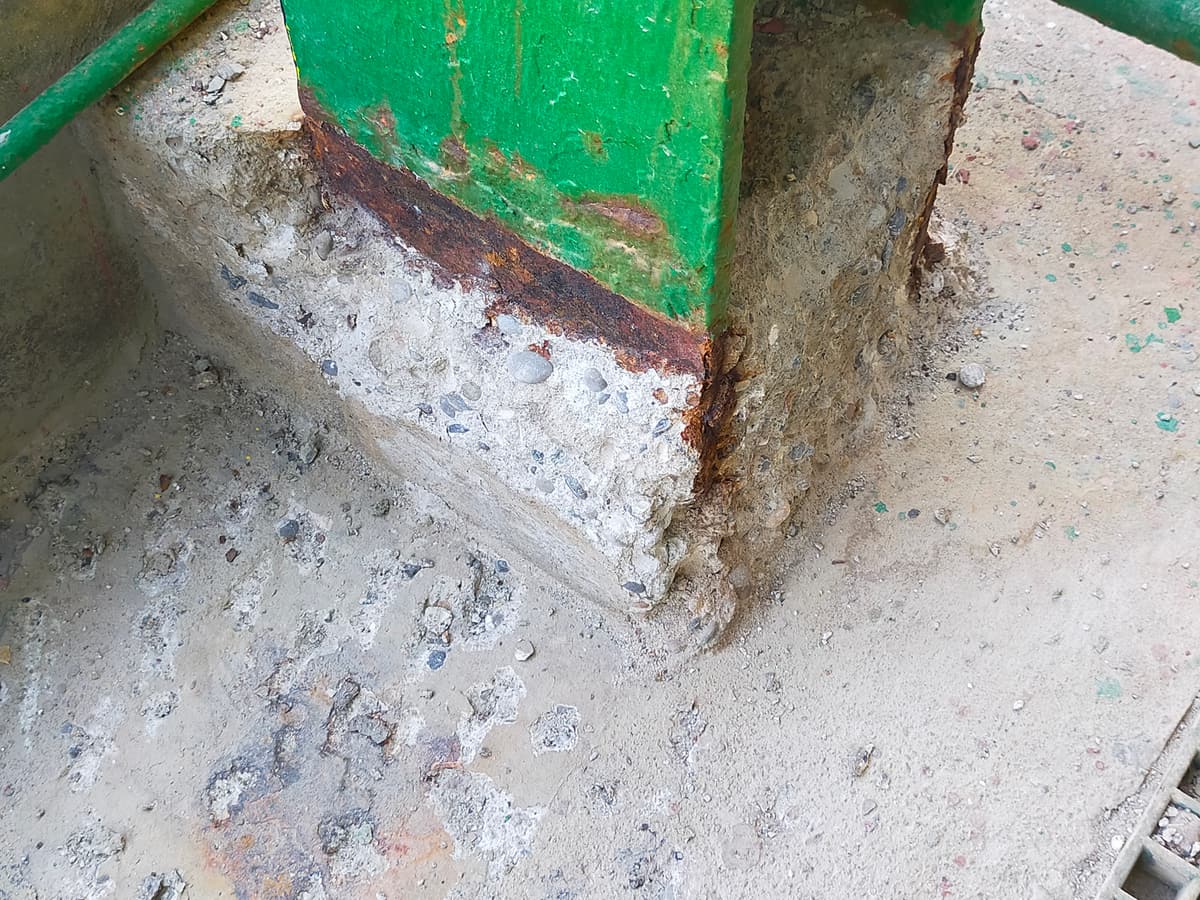
Slab with exposed aggregate and plinths and pedestals degraded by chemical attack
Actuación
Removal of affected concrete, repair of plinths and pedestals and chemical-resistant flooring
Condición
Work by zones between equipment, pipework and heat exchangers
Año
2022
Aplicación
Approved applicator from our network, under our technical direction

Chemical-resistant flooring at a chemical plant

In the caustic soda area of a chemical plant in the province of Barcelona, spills had destroyed the surface layer of the concrete slab and degraded the equipment plinths and pedestals, with reinforcement exposed in places. For data protection reasons we do not name the owner.

Why concrete fails in the chemical industry

Concrete is alkaline, but constant spills, temperature and aggressive cleaning dissolve it little by little: first the paste goes, then the aggregate comes loose and, finally, the reinforcement is exposed. A well-chosen chemical-resistant floor stops that process, but it only works on a sound substrate.

How we work: from enquiry to handover

On every project we take on whatever is needed, a single phase or the whole process:

  1. Technical enquiry. We receive photos, drawings and the problem, and reply with an initial assessment.
  2. Consulting and diagnosis. Site visit, testing and choice of the right system for the substrate and use.
  3. Specification and fixed-price quote for materials and execution.
  4. Execution by an approved applicator from our network, trained and approved by the system manufacturer.
  5. Site management and quality control: substrate, moisture, thickness, curing and detailing.
  6. Finishing, final documentation and handover.

Double guarantee: the manufacturer backs that the installed system meets its standards, and we guarantee it has been applied correctly. That is why our repairs, waterproofing and floors last for years.
Step by step

How flooring is rehabilitated in a chemical plant

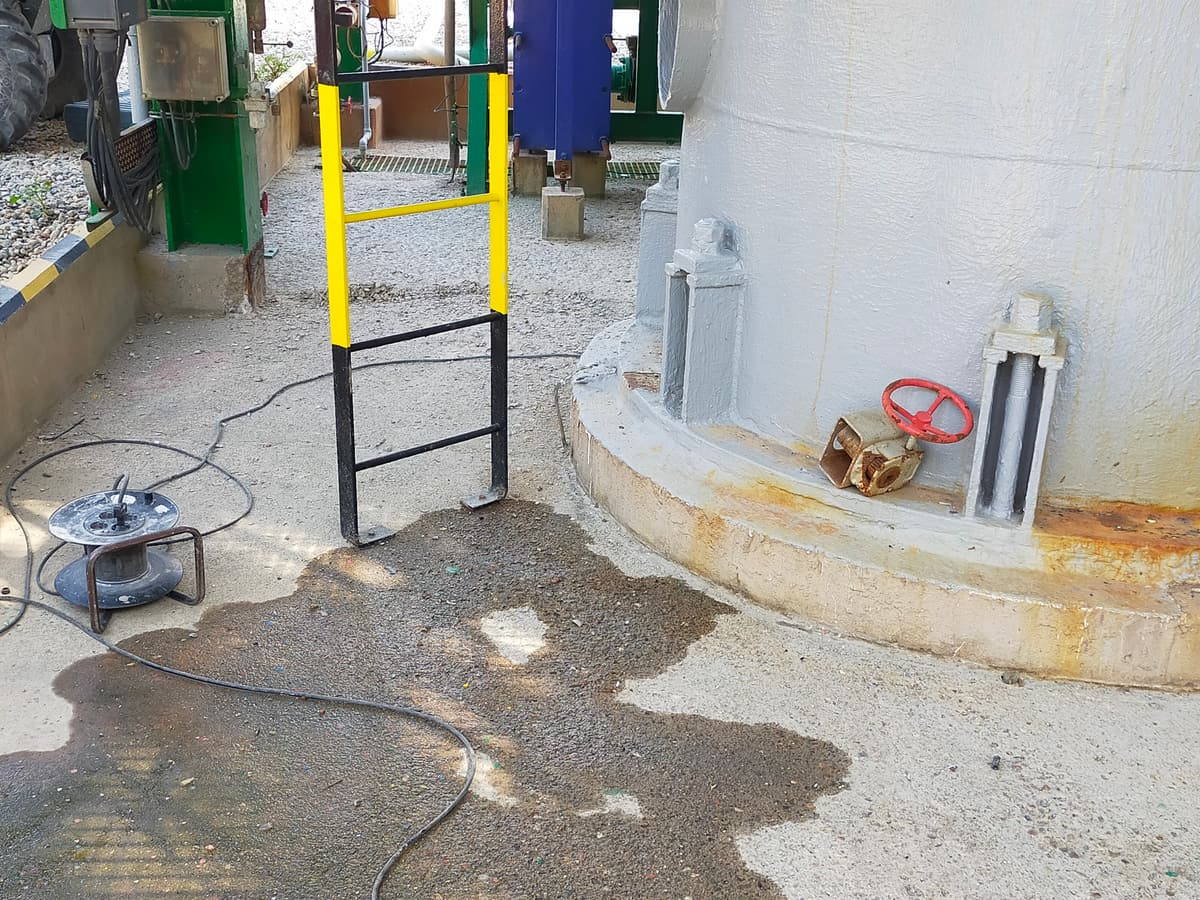
  1. High-pressure water cleaning of the concrete slab at a chemical plant
    Step 1

    Clean the substrate

    Concrete contaminated by the chemicals is cleaned.

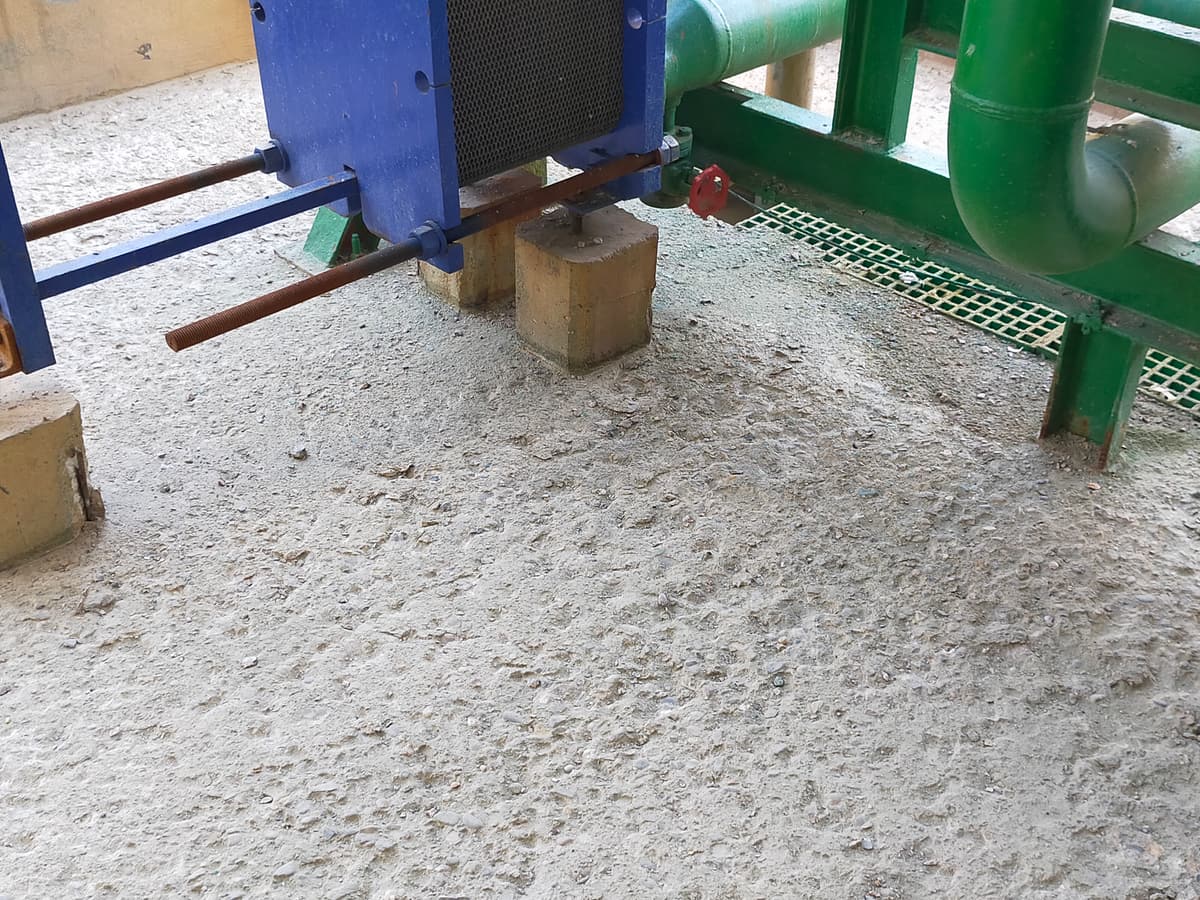
  2. Industrial slab with exposed aggregate next to plate heat exchangers
    Step 2

    Remove down to sound concrete

    Degraded concrete is removed until sound concrete is reached.

  3. Concrete pedestal with exposed reinforcement at a chemical plant
    Step 3

    Repair plinths and pedestals

    They are repaired with mortar and exposed reinforcement is treated.

  4. Concrete slab degraded by chemical attack between equipment at a chemical plant
    Step 4

    Apply the chemical-resistant floor

    The chosen system is applied according to the products, temperature and cleaning regime of the process, with care at junctions, drains and pipe penetrations.

On-site record

Project photos

Concrete plinth degraded by caustic soda under industrial equipment
Degraded plinth under equipment: the concrete loses its paste and the aggregate comes loose.
Process area of a chemical plant with pipework and steel structures
Process area: work between pipework and equipment in service.
Common questions

Frequently asked questions

Why does concrete degrade in a chemical plant?

Constant spills, temperature and aggressive cleaning dissolve the cement paste; then the aggregate comes loose and finally the reinforcement is exposed.

Which flooring resists caustic soda?

It depends on concentration, temperature and cleaning. We choose the chemical-resistant system using the manufacturer's resistance table for each case.

Does production have to stop?

Not necessarily. Work is done by zones, between equipment and pipework in service.

Who carries out the work?

An approved applicator from our network, trained and approved by the system manufacturer. We handle the consulting, the specification and site management, and we guarantee the system is properly applied.

Do you work outside Catalonia?

Yes. We work throughout Spain, especially in Catalonia, the Valencia region and Aragon, with approved applicators in each area.

Does your plant have slabs attacked by chemicals?

We propose the right flooring for the products and temperatures in your process, an approved applicator installs it and we manage the work with the plant running.

Request a technical study
Call WhatsApp Request a quote